1. The Genesis of a Modern Concrete Remedy
(Water Reducer)
Concrete is one of the most taken in manufactured material in the world, second only to water in global usage. Yet for all its universality, the essential chemistry of concrete has actually continued to be incredibly regular for over a century, until recent decades brought a silent revolution in the type of sophisticated chemical admixtures. Amongst these, the water reducer stands as perhaps one of the most transformative innovation, basically changing exactly how concrete is blended, put, and treated across the globe’s building sites. The journey of this innovation from laboratory inquisitiveness to indispensable construction commodity is a tale of clinical perseverance, market evolution, and the relentless search of structural excellence.
The modern-day water reducer market has become a multi-billion-dollar sector, with global concrete water reducers and plasticizers market predicted to reach an approximated $20.07 billion in 2025, climbing at a durable compound yearly development price of 8.6 percent with 2033. This phenomenal development shows not simply the development of international building and construction activity yet an essential shift in how the industry comes close to concrete efficiency, sturdiness, and sustainability. The water reducer, particularly in its innovative polycarboxylate forms, has actually become the foundation of modern-day high-performance concrete, making it possible for frameworks that were previously impossible and extending the service life of framework globally.
Understanding the water reducer needs appreciating its necessary feature: it allows concrete to preserve workability while substantially reducing the water web content needed for mixing. This decrease in water, commonly by 25 to 45 percent in high-performance formulas, substantially improves concrete toughness, longevity, and resistance to environmental destruction. The modern technology has developed through three unique generations, from the very early lignosulfonate-based reducers with the naphthalene and melamine sulfonate formulations of the second generation, to the current dominance of polycarboxylate ether-based superplasticizers that stand for the third and most innovative generation.
2. The Rise of Polycarboxylate Modern Technology
(Water Reducer)
The polycarboxylate-based water reducer represents a standard shift in concrete chemistry. Unlike its predecessors, which relied on reasonably straightforward electrostatic repulsion mechanisms to disperse concrete bits, the polycarboxylate molecule employs a comb-like structure with a foundation that adsorbs onto cement bits and side chains that produce steric hindrance, a physical barrier that avoids fragment load even more effectively than charge-based repulsion alone. This molecular architecture, developed with decades of polymer chemistry research, enables superior dispersion with dramatically reduced dose rates, making polycarboxylate water reducers both even more effective and a lot more cost-effective over the life of a concrete project.
The marketplace has reacted enthusiastically to these advantages. The global polycarboxylate ether market is predicted to increase from USD 7.51 billion in 2025 to USD 9.03 billion by 2031. Within this broader classification, the powder type of polycarboxylic acid water decreasing agent has actually emerged as a particularly vibrant segment, with the global powder polycarboxylate water reducer market getting to roughly 795 million USD in 2025 and forecasted to expand to 852 million USD in 2026, getting to 1.274 billion USD by 2032 at a compound annual development price of 6.9 percent. Different projections suggest even more powerful growth, with the solid polycarboxylate water reducer market estimated at 957 million USD in 2025 and anticipated to reach 1.569 billion USD by 2032, representing a CAGR of 7.3 percent.
This development trajectory shows the powder type’s unique advantages over liquid alternatives. Powdered polycarboxylate water reducers supply premium storage space stability, lowered transport costs, and greater versatility in application, particularly in regions where liquid managing framework is limited. The powder style additionally allows exact application in automated batching systems and eliminates the requirement for specialized tank and pumping tools, making it especially appealing for massive infrastructure jobs and ready-mix operations in developing markets.
3. The Development of Water Reducer Chemistry
(Water Reducer)
The technological journey of the water reducer has been marked by continual innovation in molecular style and synthesis. This phase examines the 3 major generations that have specified the market, each building upon the lessons of its precursor.
3.1 Initial Generation: Lignosulfonates and Very Early Formulas
Early generations of water reducers, mostly lignosulfonates and sulfonated naphthalene formaldehyde condensates, achieved water reduction prices of 10 to 20 percent however struggled with considerable restrictions consisting of bad retention of workability in time, incompatibility with particular cement types, and environmental worries connected to their production procedures. These first-generation products, while revolutionary in their time, might not satisfy the demands of modern building and construction where high-rise buildings, long-span bridges, and complicated framework projects require exact control over concrete residential or commercial properties throughout expanded placement home windows.
3.2 2nd Generation: Sulfonated Melamine and Naphthalene
The second generation, featuring sulfonated melamine formaldehyde and boosted naphthalene-based formulations, supplied much better efficiency however still struggled with the equilibrium between preliminary fluidity and downturn retention, the upkeep of workability gradually that is critical for big pours and carried concrete. These items stood for a step-by-step renovation yet could not accomplish the water decrease prices and rheological control demanded by significantly complicated concrete styles.
3.3 3rd Generation: Polycarboxylate Ether Superplasticizers
It was the intro of polycarboxylate ether-based superplasticizers that really transformed the industry, providing water reduction rates exceeding 25 percent, outstanding slump retention, and compatibility with a large range of cement structures. These third-generation water reducers achieve their superior efficiency via the aforementioned comb-like molecular framework, where the polymer backbone supports to cement fragments while the polyethylene oxide side chains prolong right into the surrounding water, producing a steric stabilization impact that keeps bit diffusion much more properly than electrostatic repulsion alone.
Recent years have actually seen an acceleration in water reducer modern technology growth, driven by both efficiency requirements and sustainability imperatives. Researchers have actually created novel molecular architectures including star-shaped polycarboxylate superplasticizers prepared with free-radical polymerization, offering boosted dispersion effectiveness and lowered level of sensitivity to cement composition variants. Ester-ether copolymerized polycarboxylate superplasticizers stand for an additional innovation, offering boosted thickness reduction and low air entrainment buildings that enhance concrete finishability and surface area top quality. The growth of tricarboxylate ended EPEG polycarboxylate superplasticizers deals with the efficiency constraints triggered by excessive side chain length in conventional formulations, where coiled and broken down conformations hinder dispersing performance.
Maybe most substantially, scientists have actually gone after approaches to lower reliance on petroleum-based basic materials through the fostering of inflexible side chain assistance and multidentate control securing techniques. These developments align with broader sector patterns towards lasting building and construction products and reduced carbon footprints, as the concrete sector represent roughly 8 percent of global co2 discharges, mainly from cement manufacturing. By enabling lower concrete content in concrete mixtures while maintaining or boosting performance, progressed water reducers contribute straight to emissions decrease goals. The environment-friendly water reducer section has actually ended up being a details direction, with policy targets requiring that green admixtures comprise no less than 70 percent of admixture use in new building and construction projects. Low-carbon water reducers are targeting carbon discharge strength decreases of 45 percent compared to 2020 baseline levels.
4. The Manufacturing Quality Behind Powdered Water Reducers
(Water Reducer)
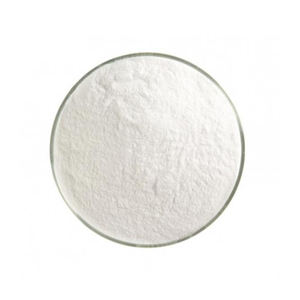
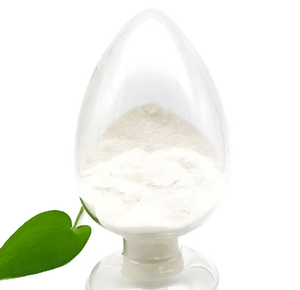
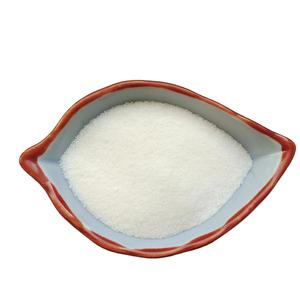
The production of high-grade polycarboxylic acid water reducing agent powder requires advanced production processes that integrate polymer chemistry proficiency with precise engineering controls. Advanced thermal synthesis technology, employed by leading suppliers, enables the production of powder polycarboxylate superplasticizers that exhibit excellent water reduction effects, superior slump retention, and exceptional flexibility to different cement kinds while maintaining environmental compatibility. The manufacturing process includes the cautious polymerization of monomers including acrylic acid and polyethylene glycol derivatives under controlled conditions, complied with by spray drying out or other powder development techniques that protect the molecular structure and efficiency characteristics of the polymer.
Quality specifications for premium powder water reducers consist of active component content of 98 percent plus or minus 1 percent, wetness content not going beyond 2 percent, and water decrease varies covering 25 to 45 percent depending upon dosage and concrete kind. Alkali web content typically ranges from 3 to 5 percent, avoiding the threat of alkali-aggregate reactions that can compromise concrete sturdiness. Temperature flexibility from minus 20 levels Celsius to 50 degrees Celsius enables application across varied weather problems, from cold-weather construction to hot-climate putting. These specs mirror the strenuous quality requirements needed for contemporary construction applications where concrete efficiency straight influences architectural safety and security and task business economics.
The powder style supplies particular advantages in terms of fast dissolution and production efficiency, with energetic ingredient focus considerably more than liquid choices. This focus benefit converts to lowered packaging, transport, and storage costs, making powder water reducers specifically attractive for large framework projects and export-oriented supply chains. The twelve-month service life of powder items, when properly saved, supplies extra versatility for inventory administration and project organizing.
5. Global Market Dynamics and Regional Trends
(Water Reducer)
The international water reducer market shows distinct local features formed by local construction activity, regulatory environments, and facilities investment patterns. The following evaluation analyzes each significant area carefully, highlighting growth drivers and market nuances.
5.1 Asia-Pacific Area
Asia-Pacific dominates as the largest and fastest-growing market, driven by massive infrastructure costs in China, India, and Southeast Oriental countries. The area represent about 54 percent of worldwide concrete admixture consumption, with China, India, and Vietnam adding 72.4 percent of the area’s step-by-step need. This leading position reflects the unprecedented range of urbanization and facilities growth throughout the area, where concrete consumption per capita remains to climb as establishing economies purchase transport networks, housing, and business centers.
Within the Asia-Pacific area, China represents the globe’s largest single market for water reducers, with the residential concrete admixture sector reaching 32.992 billion RMB in 2024, representing 7.35 percent year-over-year growth. The market is undertaking structural optimization, with polycarboxylate-based high-performance water reducers progressively completing the substitution of second-generation naphthalene-based items. This transition reflects both performance benefits and governing stress, as environmental standards tighten up and building quality assumptions increase. Regional consumption patterns within China reveal concentration in East China at 38.5 percent, South China, and North China, with each other accounting for over 65 percent of domestic consumption, with infrastructure investment driving demand in areas such as the Xiong’a region where procurement quantities increased 23.5 percent year-over-year.
India and Southeast Asian countries represent the next frontier of growth, with framework advancement speeding up throughout the area. These markets display development rates surpassing 9 percent in some segments, driven by government investment in transport, housing, and urban growth. The powder water reducer layout has actually verified particularly appropriate to these markets, where logistics infrastructure may be less industrialized and where the capability to store and transportation admixtures in powder type gives significant operational advantages. Vietnam, Indonesia, Thailand, and Malaysia have emerged as dynamic markets, with import data revealing Thailand at 2.80 million USD, Indonesia at 2.73 million USD, and Malaysia at 2.61 million USD in recent periods.
5.2 North America
The United States and Canada remains an essential market defined by premium fostering and advanced industrial deployment. The region’s water reducer market is shaped by aging infrastructure needing rehabilitation and replacement, along with by advanced spec demands for high-performance concrete in commercial and institutional construction. The USA market for carboxylic acid water reducers is projected to get to 170 index points by 2035, driven by Asia-Pacific infrastructure boom and sustained residential demand. Current fads in the North American market include smarter product style, broader software program and data connection where suitable, careful localization of supply, and closer collaboration between makers, representatives, and finish customers. Purchasers increasingly favor offerings that boost functionality, operating connection, performance, scalability, and service responsiveness.
5.3 Europe
Europe remains to be formed by criteria, sustainability concerns, and engineering-led development. The European water reducer market places certain focus on ecological performance, with laws driving fostering of low-carbon and eco-friendly admixture modern technologies. The region’s mature building and construction sector, identified by improvement and rehabilitation task along with brand-new building and construction, demands water reducers that can address customized applications consisting of self-consolidating concrete, high-strength concrete, and concrete with boosted toughness requirements. European specifications typically need ASTM-compliant water reducers, mirroring the region’s strenuous high quality requirements and testing requirements.
5.4 Center East and Africa
The Middle East and Africa area, while fairly tiny in outright terms with approximately 5 percent global market share, displays the most quick growth trajectory. The region is predicted to accomplish a substance annual growth rate of 8.7 percent from 2025 with 2030, driven by large construction projects in Gulf states and framework advancement throughout Africa. Saudi Arabia has emerged as a particularly vibrant market, with import data showing 3.32 million USD and growth of 934.1 percent in recent durations. The United Arab Emirates complies with at 2.04 million USD with growth of 428.8 percent, mirroring the continuous construction boom associated with diversity efforts and significant occasion hosting. Cross-border shopping systems contributed about 7 percent of global water reducer trade in 2025, with particularly considerable growth in Middle East and African markets. The powder style is specifically beneficial in this area, where severe temperature levels and difficult logistics conditions prefer items with extended service life and streamlined handling demands.
5.5 Latin America
Latin America, standing for roughly 10 percent of the global market, is expected to return to modest development in 2026 complying with economic changes. The area’s construction field, while smaller than Asia-Pacific or North America, supplies considerable possibility as framework financial investment increases and urbanization continues. Brazil, Mexico, and other major economic climates are anticipated to drive need for both liquid and powder water reducers as construction task recoups and updates.
6. Competitive Landscape and Sector Structure
The water reducer sector features a competitive landscape that includes multinational leaders, local professionals, and particular niche carriers serving separated end-use requirements throughout fully grown and emerging markets. Leading firms are reinforcing their positions with partnerships, acquisitions, and distinguished offerings tailored to regional and application-specific demands. Suppliers compete through technology deepness, product breadth, solution ability, and targeted technology. The competitive intensity is enhancing as international brands and specific niche specialists set apart through personalization, service deepness, and application-focused experience.
(Water Reducer)
Industry growths are fixated product refinement, selective growth, and collaboration activity as providers strengthen positioning in the concrete water reducers market. Supply chain strategy remains essential, with varied sourcing, closer network coordination, and higher concentrate on connection across production and distribution. Technical progression is approaching greater performance, improved dependability, smarter controls, and less complicated integration right into customer workflows and operating setups. Demand is supported by substitute cycles, increasing top quality assumptions, and bigger adoption across framework, business, and property applications.
Regulation and requirements continue to affect style options, screening regimens, paperwork techniques, and procurement decisions throughout the worth chain. In China, the industry has actually experienced architectural optimization with polycarboxylate-based high-performance water reducers finishing alternative of second-generation items, driven by both efficiency needs and ecological policies. Price dynamics have also changed favorably, with ethylene prices decreasing 24.83 percent in January 2026 contrasted to the previous year, enhancing profit margins for polycarboxylate water reducer manufacturers as ethylene oxide, the core resources, ends up being a lot more budget-friendly.
The powder water reducer section provides particular opportunities for makers with the ability of achieving range while preserving top quality consistency. The fairly greater obstacles to entrance in powder manufacturing, consisting of specialized drying out equipment and quality assurance systems, have developed an extra concentrated affordable landscape than the fluid admixture market. Makers with well-known powder production capabilities, such as those employing advanced thermal synthesis innovation, are well-positioned to capture growth in export markets and in regions where powder layout benefits are most obvious.
7. Sustainability and the Future of Water Reducer Technology
Sustainability has emerged as the specifying theme for the future generation of water reducer modern technology. The concrete industry’s significant carbon impact, representing approximately 8 percent of global discharges, has actually made it an emphasis of decarbonization efforts throughout the building market. Water reducers add to discharges reduction in two main methods: by allowing lowered cement web content in concrete mixtures while preserving performance, and by promoting using auxiliary cementitious products such as fly ash, slag, and silica fume that would certainly or else compromise workability. Every kilo of cement stayed clear of through maximized concrete mix design represents around 0.9 kgs of carbon dioxide exhausts prevented, making water reducer technology an important enabler of lasting building and construction.
(Water Reducer)
The transition from product chemical dosing toward performance-engineered admixture systems shows wider industry fads toward outcome-guaranteed performance and lifecycle value. Purchasers significantly look for water reducers that not just minimize water need but likewise boost concrete sturdiness, minimize leaks in the structure, and extend life span, therefore minimizing the environmental effect of upkeep and substitute over the framework’s life time. This change from price-based procurement to value-based choice rewards suppliers capable of showing premium efficiency and sustainability results.
Digital optimization is improving the concrete admixture landscape, with manufacturers utilizing sophisticated water reducers and polycarboxylate ether-based superplasticizers to achieve high-strength, self-consolidating, and low-permeability concrete while lowering water need. Smarter item layout, broader software program and data connection, and closer partnership in between producers and end users are making it possible for extra specific dosing and far better performance outcomes. These electronic capabilities, integrated with innovative water reducer chemistry, are changing concrete from an asset product into a crafted product with foreseeable and enhanced buildings.
Research remains to press the boundaries of water reducer performance. The growth of novel ester-functionalized polycarboxylate superplasticizers is allowing much better control over concrete paste rheology and versatility to external factors. Allyl glycidyl ether-based polycarboxylate superplasticizers have demonstrated the capability to decrease return stress and anxiety and rise cement-paste spread at ideal dosage levels, boosting fresh-state concrete efficiency. These advancements, integrated with ongoing initiatives to lower dependence on petroleum-based resources, guarantee to supply water reducers that are both higher-performing and a lot more lasting than current offerings.
8. The Future Vision for Water Reducer Innovation
(Water Reducer)
Looking in advance, the water reducer sector deals with both opportunities and obstacles. Urbanization remains to drive building and construction task throughout developing economies, while industrialized markets invest in framework revival and sustainable structure. The powder water reducer section, with its logistic benefits and growing acceptance in vital markets, is well-positioned to record a considerable share of this development. Nonetheless, the sector must navigate resources rate volatility, fragmented need patterns, and qualification or compliance difficulties that can regulate energy.
Decarbonization will remain a main motorist of innovation, with plan targets and market assumptions pressing the market towards lower-carbon services. Environment-friendly water reducers, low-carbon formulations, and products that make it possible for decreased concrete content will regulate premium placing in significantly sustainability-conscious markets. Suppliers efficient in demonstrating ecological efficiency alongside technical quality will certainly be best placed for lasting success.
The geographical development of the water reducer market will proceed, with Middle East and Africa representing the most dynamic development frontier. Cross-border ecommerce and improved logistics networks are making it easier for suppliers to reach customers in emerging markets, while local manufacturing abilities are developing in reaction to expanding need. The powder layout, with its premium transportation business economics and storage characteristics, will certainly play an increasingly essential role in offering these far-flung markets.
Ultimately, the water reducer tale is one of continual improvement and adaptation to changing market requirements. From the early lignosulfonate formulations to today’s sophisticated polycarboxylate ether superplasticizers, the modern technology has advanced to fulfill the needs of a sector that builds the globe’s cities, bridges, and infrastructure. As sustainability imperatives improve the building industry, water reducer innovation will certainly continue to advance, making it possible for more powerful, a lot more long lasting, and extra lasting concrete for future generations. The powder polycarboxylic acid water lowering agent, representing the pinnacle of present technology, stands all set to lead this makeover, delivering remarkable efficiency with reduced ecological effect across the world’s construction websites.
The industry’s trajectory suggests proceeded loan consolidation amongst leading suppliers, increased financial investment in research and development, and expanding emphasis on consumer partnership and application assistance. Companies that integrate technological excellence with market responsiveness and sustainability leadership will specify the next phase of water reducer development. For consumers varying from global building and construction companies to local ready-mix drivers, the option of water reducer innovation will significantly mirror not simply prompt performance needs yet long-lasting sustainability objectives and lifecycle price factors to consider.
In this advancing landscape, the powder polycarboxylic acid water reducing representative stands as a testimony to what chemical technology can achieve. Its molecular style, refined through decades of polymer science, enables concrete that is more powerful, a lot more long lasting, and more sustainable than anything possible with earlier innovations. As the globe builds for the future, water reducer modern technology will certainly continue to be a necessary enabler of the frameworks that shelter, connect, and sustain human activity.
9. A Personal Representation from the Founder
(Water Reducer)
When I developed this firm, I saw a basic void in between what concrete can achieve and what it was providing on building websites around the world. The vision was straightforward: produce a water reducer that would change concrete from a variable, unforeseeable material into a crafted solution with constant, reliable efficiency. Today, seeing our powder polycarboxylic acid water decreasing agent allow stronger, a lot more sturdy, and more sustainable concrete throughout five continents, I boast of what our group has actually completed and thrilled of what lies ahead.
The trip from lab concept to international market requirement has actually been challenging, but every obstacle conquered has reinforced our commitment to high quality, development, and client partnership. Our powder polycarboxylate superplasticizer stands for not just a product however an ideology: that exceptional chemistry, incorporated with deep understanding of customer needs, can construct a much better world. As we want to the future, we remain devoted to advancing water reducer modern technology, lowering ecological impact, and aiding our clients accomplish remarkable results with every put. The story of the water reducer is much from complete, and we are honored to proceed creating it together with the designers, professionals, and builders that trust our products to deliver efficiency where it matters most.
10. Provider
Cabr-Concrete is a supplier of Concrete Admixture with over 12 years of experience in nano-building energy conservation and nanotechnology development. It accepts payment via Credit Card, T/T, West Union and Paypal. TRUNNANO will ship the goods to customers overseas through FedEx, DHL, by air, or by sea. If you are looking for high quality Concrete Admixture, please feel free to contact us and send an inquiry.
Tags: superplasticizer, water reducer, water reducing agent, concrete additives
All articles and pictures are from the Internet. If there are any copyright issues, please contact us in time to delete.
Inquiry us